1
previous arrow
next arrow
1
2
previous arrow
next arrow

Port of Loading

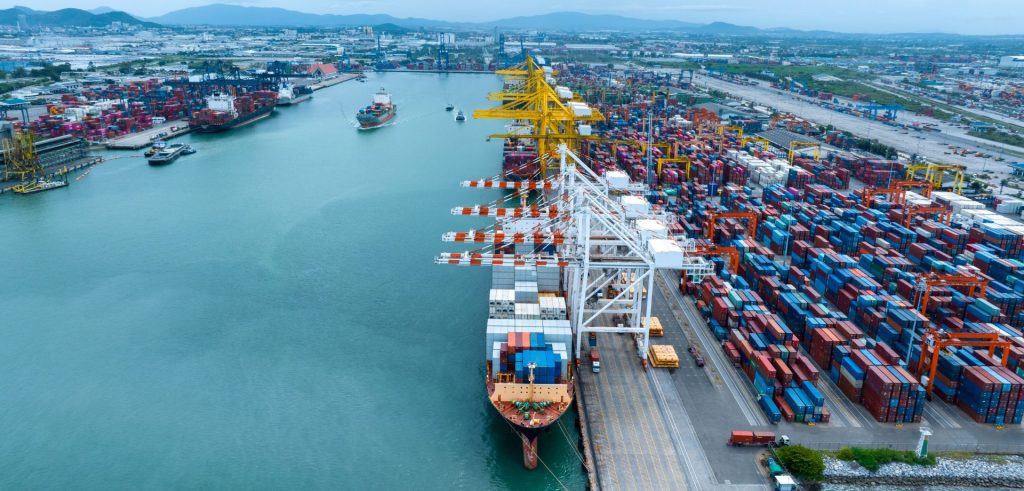
In the agricultural export process, the Port of Loading refers to the seaport where goods are loaded onto the vessel before being shipped to the destination country. Selecting the right port of loading is essential to ensure logistics efficiency, timely delivery schedules, and product quality throughout transit.

Port of Loading

We facilitate export shipments through several major international-standard seaports in Indonesia, including:

  • Port of Tanjung Priok – Indonesia’s largest and busiest port with extensive global shipping connections.

  • Port of Tanjung Perak – strategically serving East Java and eastern Indonesia export routes.

  • Port of Belawan – ideal for export shipments from Sumatra and surrounding regions.

  • Port of Tanjung Emas – supporting export distribution from Central Java.

  • Port of Soekarno-Hatta – a key logistics hub for eastern Indonesia and Asia-Pacific markets.

With flexible Port of Loading options, we optimize shipping routes based on product origin, cost efficiency, and destination requirements—ensuring our agricultural products are delivered safely, efficiently, and in compliance with international export standards.


Incoterms

As an agricultural export company, we apply internationally recognized Incoterms established by the International Chamber of Commerce to ensure clear responsibilities, cost allocation, and risk management in every international shipment. We offer flexible shipping terms tailored to the needs of our global partners and buyers.

FOB (Free On Board)

Under the FOB term, we are fully responsible for sourcing, packing, export documentation, and delivering the goods until they are safely loaded onto the vessel at the agreed port of loading.

Once the goods are on board, all risks and main shipping costs are transferred to the buyer.


This option is suitable for buyers who have their own freight forwarder or logistics arrangements.

CFR (Cost and Freight)

Under CFR, we arrange and cover the cost of ocean freight to the agreed port of destination. However, the risk transfers to the buyer once the goods are loaded onto the vessel at the port of origin.

This term provides convenience for buyers who prefer us to handle the main freight while they manage insurance and further logistics.

CIF (Cost, Insurance and Freight)

With CIF, we provide a more comprehensive shipping solution by covering ocean freight and basic marine insurance up to the destination port.
We ensure the goods are protected during transit, offering added security and peace of mind for our clients.

This option is ideal for buyers seeking a safer and more hassle-free logistics arrangement.

Payment Terms

As an agricultural export company, we prioritize secure transactions, transparency, and long-term business relationships. To accommodate international trade practices, we offer two primary payment methods: Telegraphic Transfer (TT) and Letter of Credit (LC).

1. Telegraphic Transfer (TT)

Telegraphic Transfer (TT) is a direct international bank transfer from the buyer to our company’s designated bank account.

Our standard payment structure:

  • 30% Down Payment (DP) upon confirmation of the Proforma Invoice (PI) or contract

  • 70% balance payment before shipment or against copy of shipping documents (as mutually agreed)

Advantages of TT:

  • Faster and more efficient transaction process

  • Lower banking charges compared to LC

  • Suitable for repeat orders and long-term partners

TT is generally recommended for buyers who have established business cooperation with us.

2. Letter of Credit (LC)

Letter of Credit (LC) is a bank-guaranteed payment method issued on behalf of the buyer, ensuring a higher level of security for both parties.

We accept:

  • Irrevocable LC at Sight

  • Issued by reputable international banks

Advantages of LC:

  • High transaction security

  • Payment assurance as long as documents comply with LC terms

  • Ideal for first-time transactions or high-value orders

Our Export & Logistics team is experienced in handling LC documentation in accordance with international trade standards, including commercial invoice, packing list, bill of lading, certificate of origin, and phytosanitary certificate.

Export Documents

As an agricultural export company, we ensure that every shipment is supported by complete, accurate, and internationally compliant export documentation. These documents are essential to facilitate customs clearance, logistics processes, and smooth delivery to the destination country.

1. Commercial Invoice

The Commercial Invoice is the primary document we issue as official proof of sale to our international buyers. It includes key details such as product description, quantity, unit price, total value, Incoterms, and buyer and seller information. This document is used by customs authorities to assess the value of goods and determine applicable duties and taxes in the importing country.

2. Packing List

We prepare a detailed Packing List to provide a clear breakdown of the shipment contents. It outlines product types, number of packages, net weight, gross weight, and packaging dimensions. This document supports cargo inspection, logistics handling, and enables buyers to efficiently verify the received goods upon arrival.

3. Bill of Lading (B/L)

The Bill of Lading is an official transport document issued by the shipping line as confirmation that the goods have been loaded onto the vessel. It serves as a document of title, a contract of carriage, and proof of shipment. We ensure that all information on the B/L is fully aligned with the Commercial Invoice and Packing List to prevent delays at the destination port.

4. Phytosanitary Certificate

As an exporter of agricultural products, we provide a Phytosanitary Certificate issued by the authorized plant quarantine authority. This certificate confirms that our products are free from pests and plant diseases and comply with the phytosanitary requirements of the importing country. It is crucial for passing quarantine inspections and ensuring market entry.

5. Certificate of Origin (COO)

The Certificate of Origin verifies the country where the exported goods are produced. It is used by customs authorities and importers to determine tariff preferences, trade agreement eligibility, and product authenticity. We process the COO through the authorized issuing body to ensure compliance and to support our clients in obtaining potential tariff benefits.

Are you looking for a professional and reliable export partner?

With extensive experience in handling the export of briquettes, charcoal, coffee, spices, and other premium agricultural commodities, we are committed to delivering the highest quality products, transparent processes, and on-time shipments to markets worldwide.

Our Contacts

Office Address :

M748+R3G Cijoro Pasir, Lebak Regency, Banten

Customer Service :

+62 877-5471-2495

Email :

icaasia1@gmail.com

Copyright 2026 PT. Inti Cahaya Asia | Designed by Iniwebsiteku

Scroll to Top